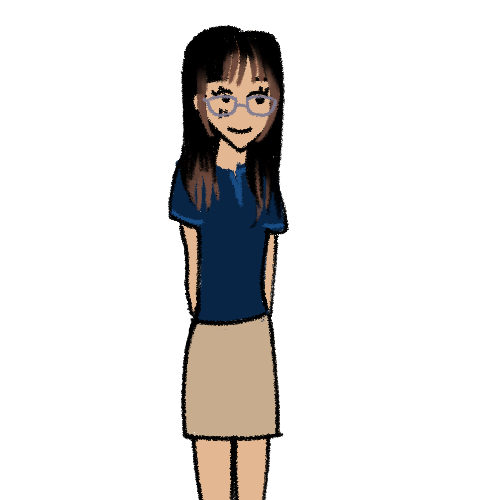
 Ruby Bridges was born on September 8, 1954, the eldest of eight children, into poverty in the state of Mississippi. When she was four years old, her family moved to New Orleans. Two years later a test was given to the city’s African American schoolchildren to determine which students could enter all-white schools. Bridges passed the test and was selected for enrollment at the city’s William Frantz Elementary School. Her father was initially opposed to her attending an all-white school, but Bridges’s mother convinced him to let Bridges enroll. Of the six African American students designated to integrate the school, Bridges was the only one to enroll.
 On November 14, 1960, her first day, she was escorted to school by four federal marshals. Bridges spent the entire day in the principal’s office as irate parents marched into the school to remove their children. On Bridges’s second day, Barbara Henry, a young teacher from Boston, began to teach her. The two worked together in an otherwise vacant classroom for an entire year. Every day as the marshals escorted Bridges to school, they urged her to keep her eyes forward so that—though she could hear the insults and threats of the angry crowd— she would not have to see the racist remarks scrawled across signs or the livid faces of the protesters.
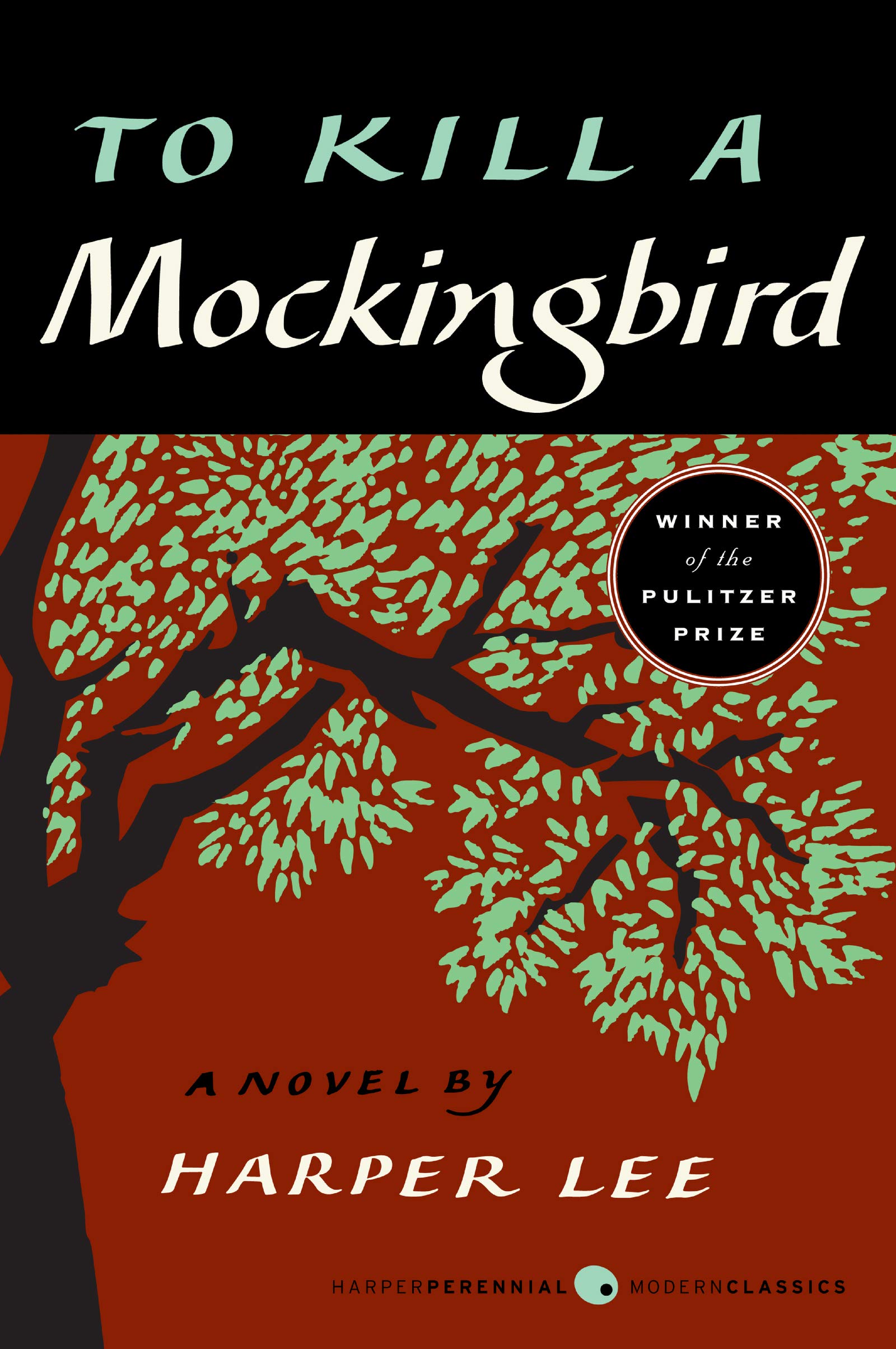 Ruby Bridges' story connects to To Kill a Mockingbird because the events surrounding Bridges were a large step toward equality and civil rights. Bridges' experience shows what it looks like to face racial injustice with bravery to pave the way for equality, even when the community resists change. This connects to Tom Robinson’s story; Tom is also treated unjustly because of his race and is judged through prejudice instead of truth. Atticus’s decision to defend Tom highlights the same idea: doing what is right, even when it is unpopular and comes with violent objection. Atticus' conversation with Jem presents the similar theme of courage that both he and Ruby Bridges had: "I wanted you to see what real courage is, instead of getting the idea that courage is a man with a gun in his hand. It's when you know you're licked before you begin, but you begin anyway and you see it through no matter what. You rarely win, but sometimes you do."
Both Bridges' and Lee's story teach the same lesson about courage. They demonstrate that courage can mean speaking out, supporting someone who is being wrongly accused, and staying committed to justice even when it would be easier to stay silent.
Ruby Bridges' story connects to To Kill a Mockingbird because the events surrounding Bridges were a large step toward equality and civil rights. Bridges' experience shows what it looks like to face racial injustice with bravery to pave the way for equality, even when the community resists change. This connects to Tom Robinson’s story; Tom is also treated unjustly because of his race and is judged through prejudice instead of truth. Atticus’s decision to defend Tom highlights the same idea: doing what is right, even when it is unpopular and comes with violent objection. Atticus' conversation with Jem presents the similar theme of courage that both he and Ruby Bridges had: "I wanted you to see what real courage is, instead of getting the idea that courage is a man with a gun in his hand. It's when you know you're licked before you begin, but you begin anyway and you see it through no matter what. You rarely win, but sometimes you do."
Both Bridges' and Lee's story teach the same lesson about courage. They demonstrate that courage can mean speaking out, supporting someone who is being wrongly accused, and staying committed to justice even when it would be easier to stay silent.
